


A Saudi Aesthetic
There are plenty of things that might characterize Saudi Arabia for aesthetic effect—a Bedouin teapot, if we’re being cliche, or the outline of a mosque. But during my last trip to Jeddah, I found myself noticing what I would call a more wide-ranging aesthetic. It is a stark combination of minimalism and ornamentation, like a vast empty sky and a single, modern minaret, decorated in geometrical forms.

Geometric patterns are technically Islamic—they show up all over the Muslim world—but in Saudi they co-habitate with a sheer, empty canvas. This contrast appears all over the city, in all kinds of circumstances.
A clean, blank wall with a side of elaborate scrollwork.

A plain set of stairs with two embroidered cushions.

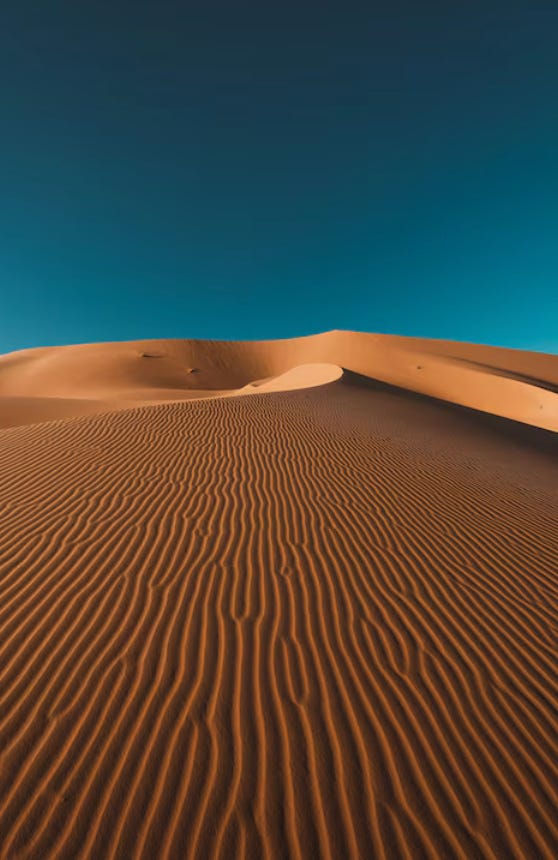
A lot of Saudi Arabia is minimalist. A majority of men wear the same white robe, women wear black. The desert dominates the landscape, so does the wide open sky and the sea. Architecture is often made of clean lines—great big, boxy buildings.

Yet throughout it all, there are elements that bedazzle. Islamic Art patterns, elaborate mosaics, tile work, cloisonne, calligraphy—all are dense and complicated and richly decorative, statements that talk back to the desert’s simple canvas.

I like to see the resulting contrast as a reflection of nature’s extremes—the stark, spacious emptiness of the desert by day, and the gorgeous complexity of its sky by night.
Or perhaps, in the case of Jeddah, the vast, flat expanse of the sea, which hides an extravagance of riches.
The aesthetic hints at people’s appreciation for the wide open spaces that surround them, and the contrasting points of busyness.
Still, the complexity, fullness, and maybe even clutter of geometrical art feels like it came as a response to the void, some insight born in a meditative bardo. So much of the traditional ornamentation was driven by a desire to understand the divine. Patterns that appear to repeat infinitely were meant to induce contemplation and wonder, and to reflect a sense of divine order.
Traditionally, those geometrical patterns were accomplished using minimal tools—a compass and ruler, a basic starting shape. The resulting complexity is wonder-inducing.


I appreciate how clearly you share your thoughts on Saudi Arabia and its unique aesthetic. Your writing is simple yet interesting, and I enjoyed learning from this post. I’m glad to have discovered your work, and I’ll definitely be reading more. Best CV writing services Saudi Arabia also appreciate the value of clear and thoughtful presentation.